How to Choose the Best Lab-Grown Diamonds- A Buyer’s Guide
You might be interested in buying a diamond, and you think lab-grown is a good idea. Nice move! The best lab-grown diamonds are found by observing the 4Cs, checking their origin, and making sure their certification is provided.
They’re much like mined diamonds, minus the high price tag and drama of mining them. Since there is a large variety of courses, deciding where to begin can be hard.
Let’s just forget about it and talk like friends who have coffee together.

What’s a Lab-Grown Diamond, Anyway?
First off, lab-grown diamonds aren’t some kind of fake or cheap substitute. They’re the real deal. The only difference is where they come from — instead of digging them up from the earth, they’re made in a lab. Scientists speed up nature’s process of heat and pressure to make them.
The result? A diamond that’s chemically and physically identical to a mined one. It shines, it’s tough, and even jewelers need special tools to tell the two apart. Plus, since they’re labmade, they usually have a smaller environmental footprint and a nicer price tag.
If you want the nitty-gritty science, places like the Gemological Institute of America (GIA) have all that info. But bottom line — these diamonds are 100% legit.
The 4 Cs Of Lab Diamonds- What Really Matters
You’ll hear about the “4 Cs” when shopping: Cut, Color, Clarity, and Carat. They pretty much determine how your diamond looks and how much it’ll cost. Here’s the quick lowdown:
- Cut: The big deal. It’s how well the diamond is shaped and polished. A great cut means the diamond catches light perfectly and sparkles like crazy. Even small differences here can make a huge difference in how it shines.
- Color: Diamonds range from crystal clear to a bit yellowish. Clearer usually means better, but honestly, tiny color differences are tough to spot unless you’re comparing side-by-side. Most folks are happy with nearly colorless diamonds.
- Clarity: No diamond is flawless. Clarity tells you how many tiny internal flaws, called inclusions, are inside. Some are so small you won’t see them without a microscope, and they won’t affect how pretty the diamond looks. But too many can make it look cloudy.
- Carat: This just means size or weight. Bigger diamonds are rarer and cost more. But remember — a smaller diamond with an awesome cut can look way better than a bigger one with a lousy cut.
Always Ask for a Certificate
Think of it as your diamond’s report card. It lists all the important details — the 4 Cs — and who graded it. For lab-grown diamonds, the trusted certifiers are:
- IGI (International Gemological Institute)
- GIA (Gemological Institute of America)
- HRD Antwerp
If your diamond doesn’t come with a certificate from one of these labs, be cautious — you really won’t know what’s inside that stone.
Set Your Budget First
Lab-grown diamonds typically cost 40-50% less than natural ones with the same quality — that’s a pretty big saving! But prices still change depending on the 4 Cs, so set your budget before you start looking. That way, you won’t fall in love with something way out of reach. Most online stores let you filter by price, which helps a lot.
Pick a Shape That Speaks to You
Diamonds come in tons of shapes, each with its personality. Round is the classic sparkle king, but don’t miss out on other cool shapes — they can make your ring pop.
Popular shapes include:
- Round (sparkly and timeless)
- Princess (square and modern)
- Cushion (soft and vintage)
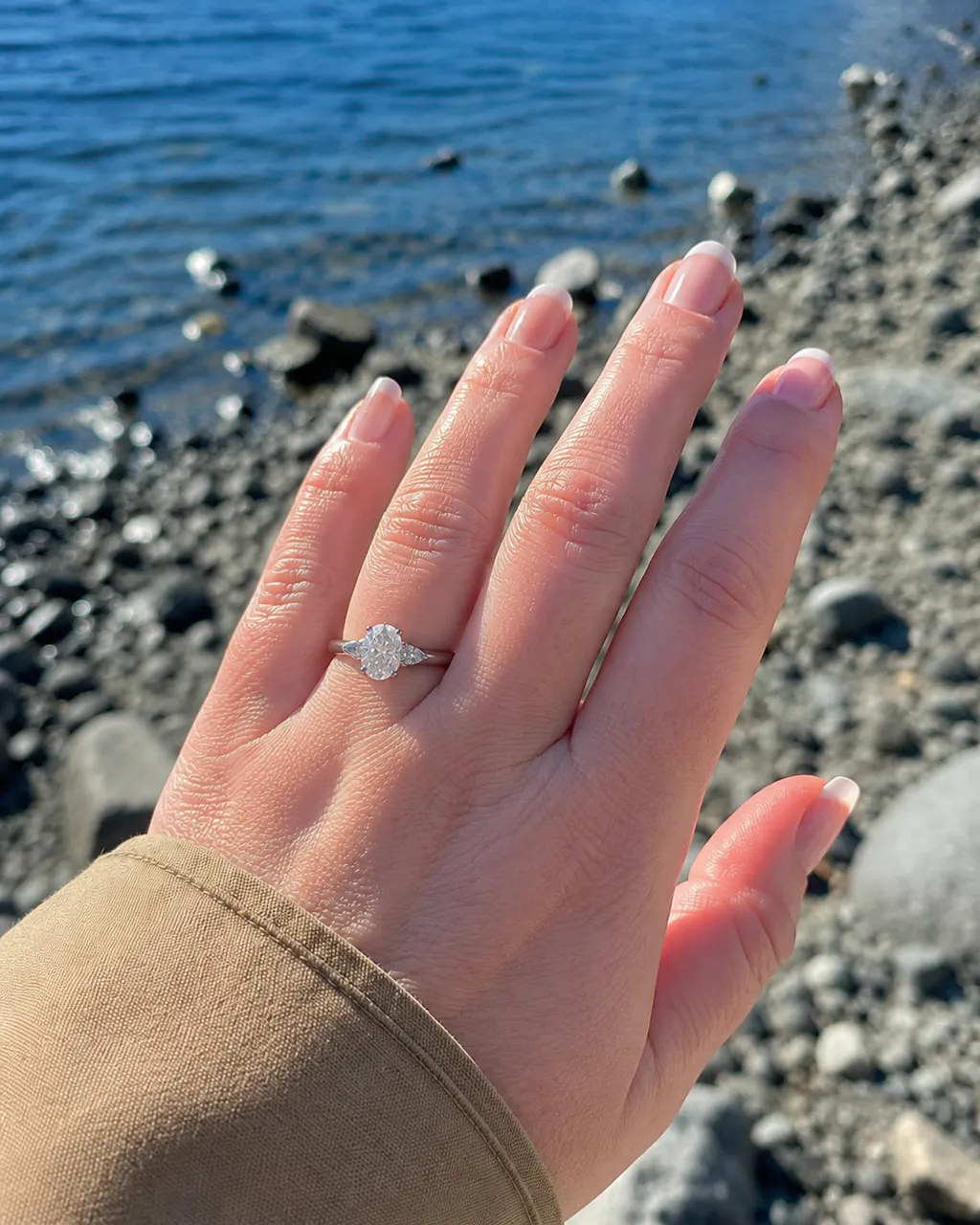
- Oval (elongated and flattering)
- Emerald (sleek and elegant)

Check the Return Policy and Warranty
Buying a diamond — especially online — is a big deal. Make sure you know if you can return it if it’s not what you hoped for, how long you have to return it, and how the process works.
Also, some sellers throw in warranties for things like free cleaning or resizing. That kind of help can save you headaches down the line.
Think About Ethics and the Environment
One big reason people go for best lab-grown diamonds is feeling good about where their diamond comes from. Mining can sometimes mean sketchy labor practices or damage to the environment.
Lab-grown diamonds skip all that since they’re made in a lab. Plus, their environmental impact is usually way smaller. If that’s important to you, look for sellers who are transparent about their sourcing and follow ethical guidelines, like those from the Responsible Jewellery Council.
Final Thoughts- Take Your Time and Enjoy the Process
Diamonds aren’t something you buy every day, so don’t be shy about asking questions.
Good sellers will have customer service or diamond experts ready to explain everything — from the 4 Cs to certificates and returns. The more questions you ask, the more confident you’ll feel.
Shopping for a diamond should be fun, not stressful. Here’s a quick checklist: Compare different diamonds and sellers, read reviews from other buyers, use online tools to zoom in and check the details, and trust your eye and your style. No rush — when you find the right diamond, it’s not just a pretty rock. Just learn the Lab diamond buying tips, it’s something you’ll treasure for years.
Looking for the best place to buy lab diamonds? Look no further than Bello Diamonds quality, trust, and stunning stones all in one place.